

Before electricity and modern refrigeration, winter itself was Nusfjord’s lifeline. The Upper Icehouse stands as a quiet testament to that ingenuity. During the coldest months, large blocks of ice were cut from nearby lakes and carefully stored here, insulated with sawdust and straw to preserve them through spring and summer. This ice was essential to village life – keeping fish fresh, preserving meat, and cooling provisions during the busy fishing season. Within these walls, nature and necessity worked hand in hand.
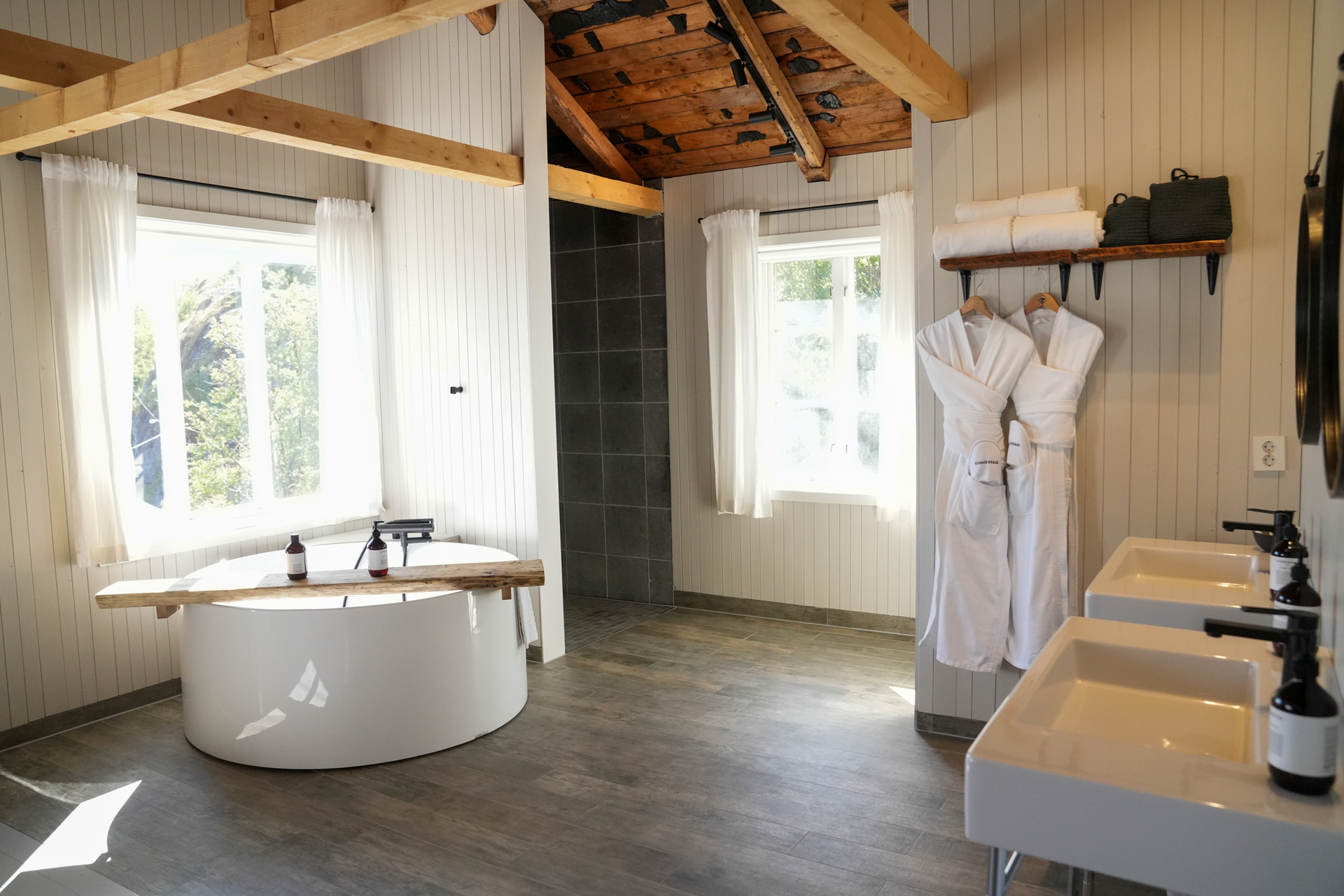
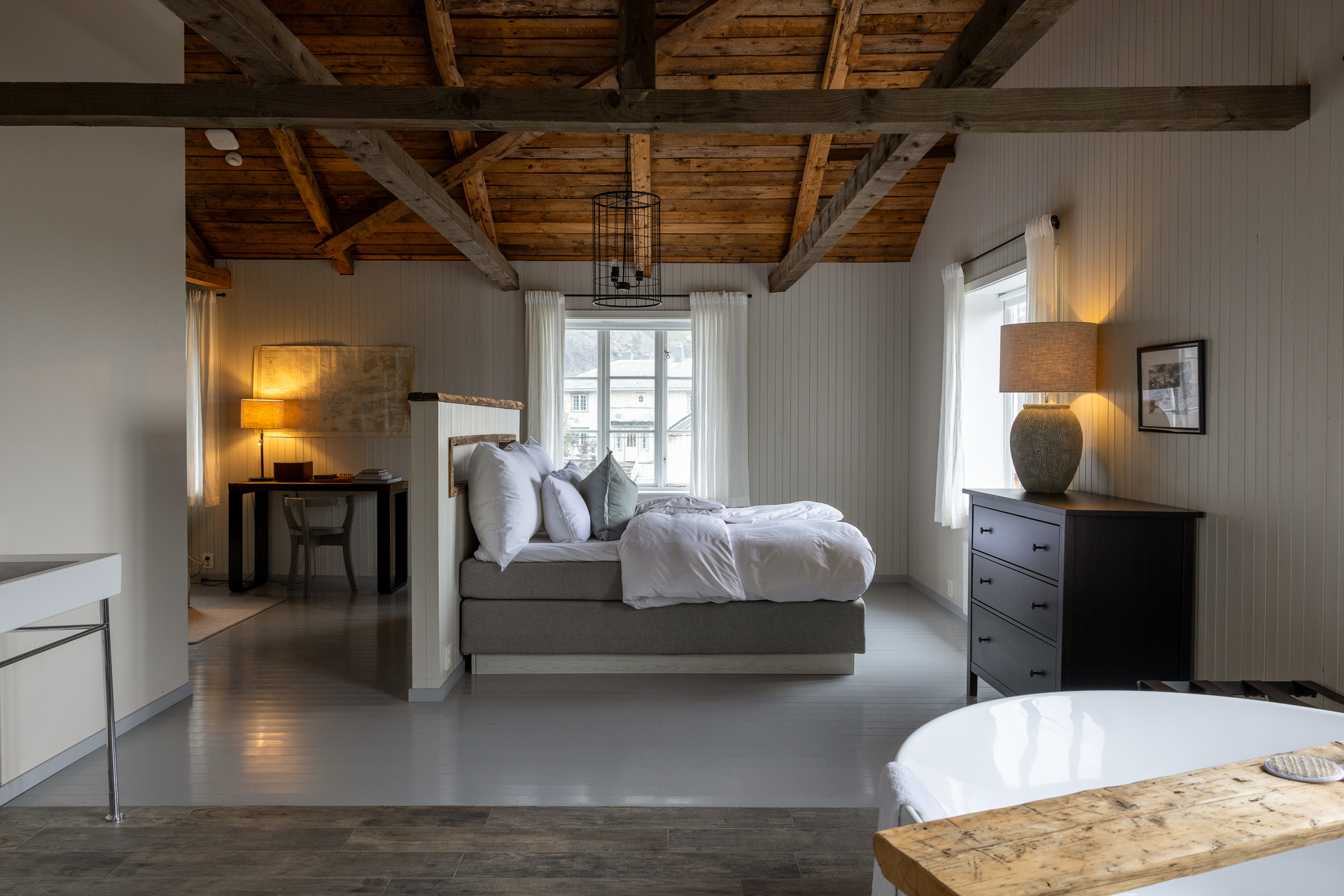
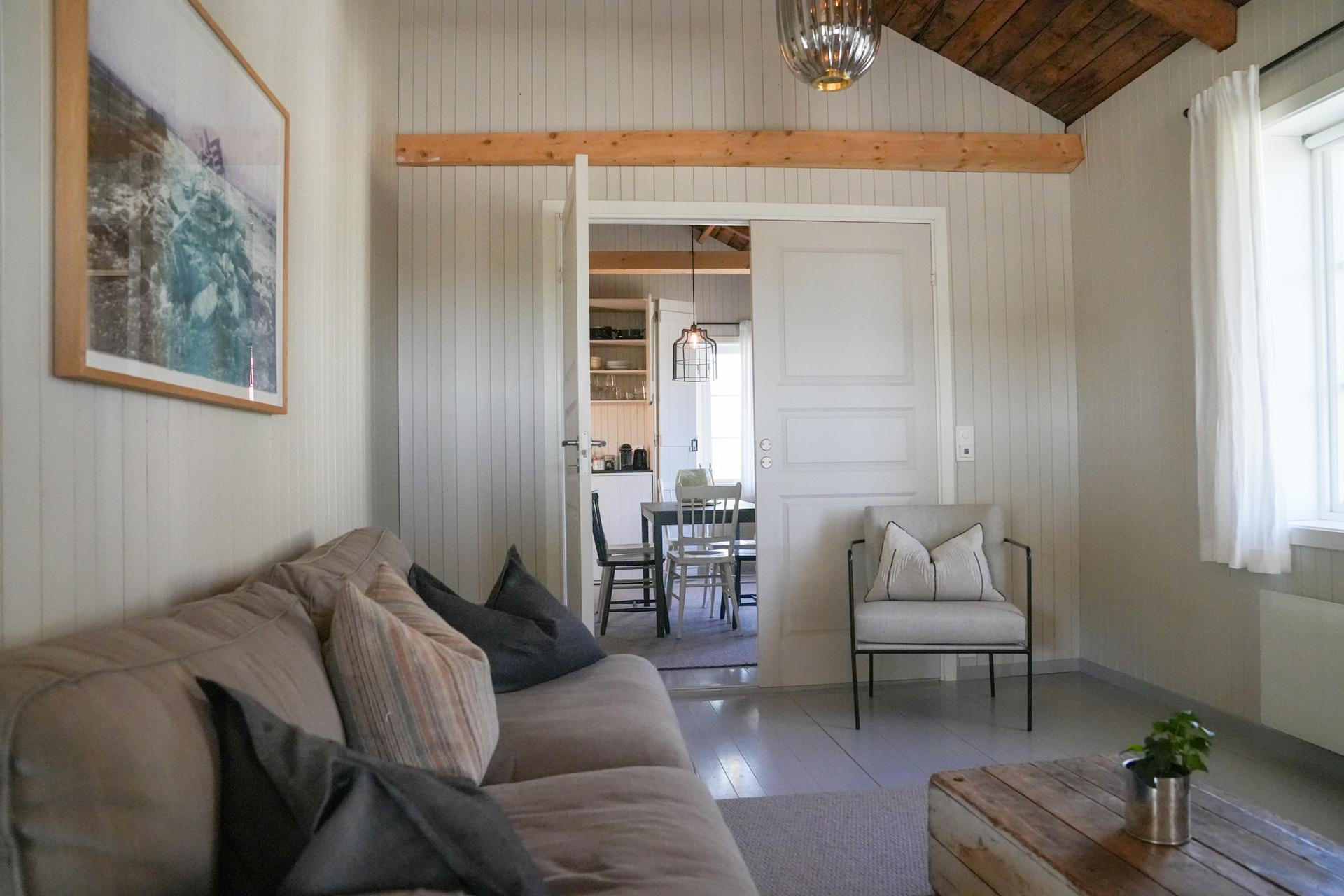
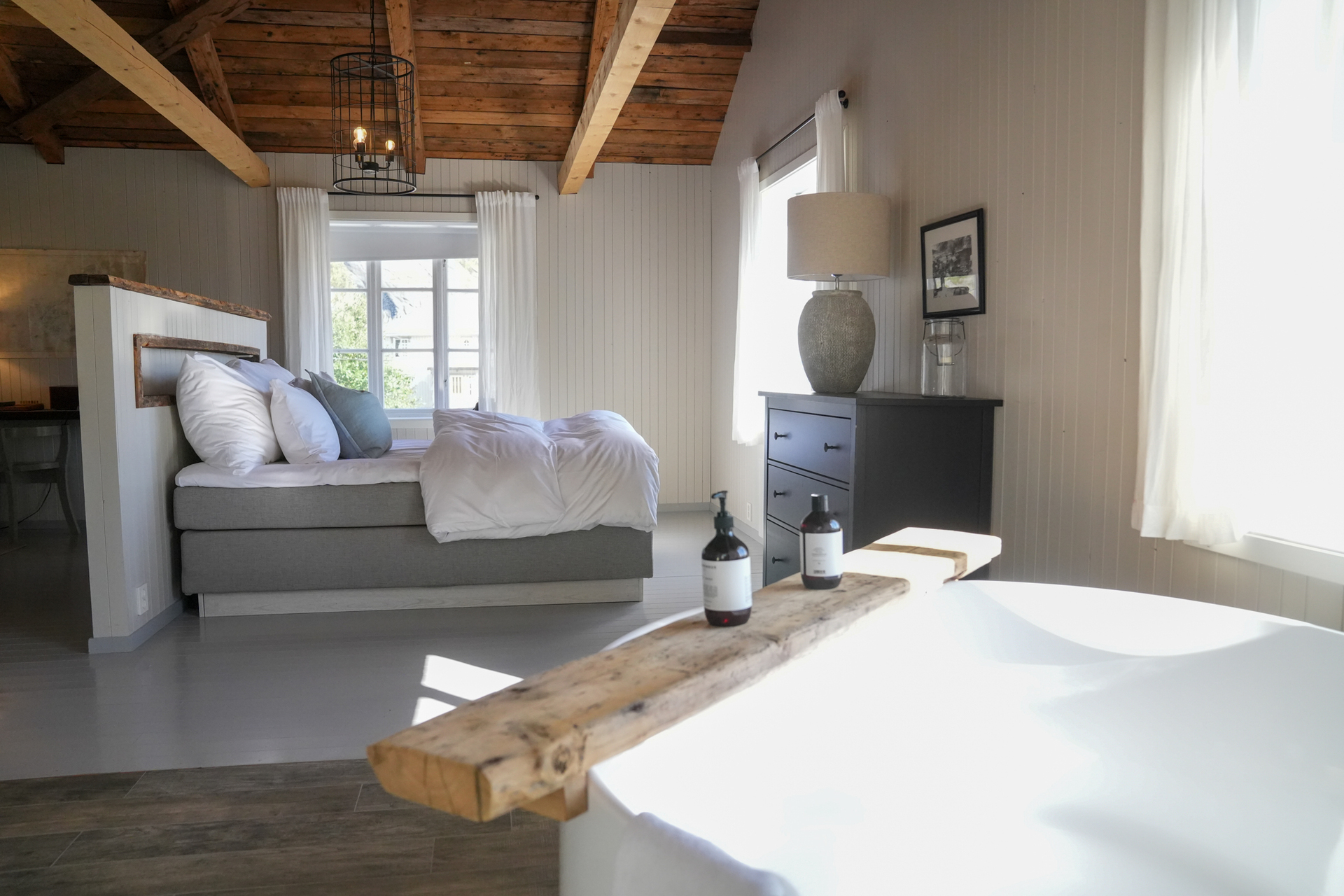
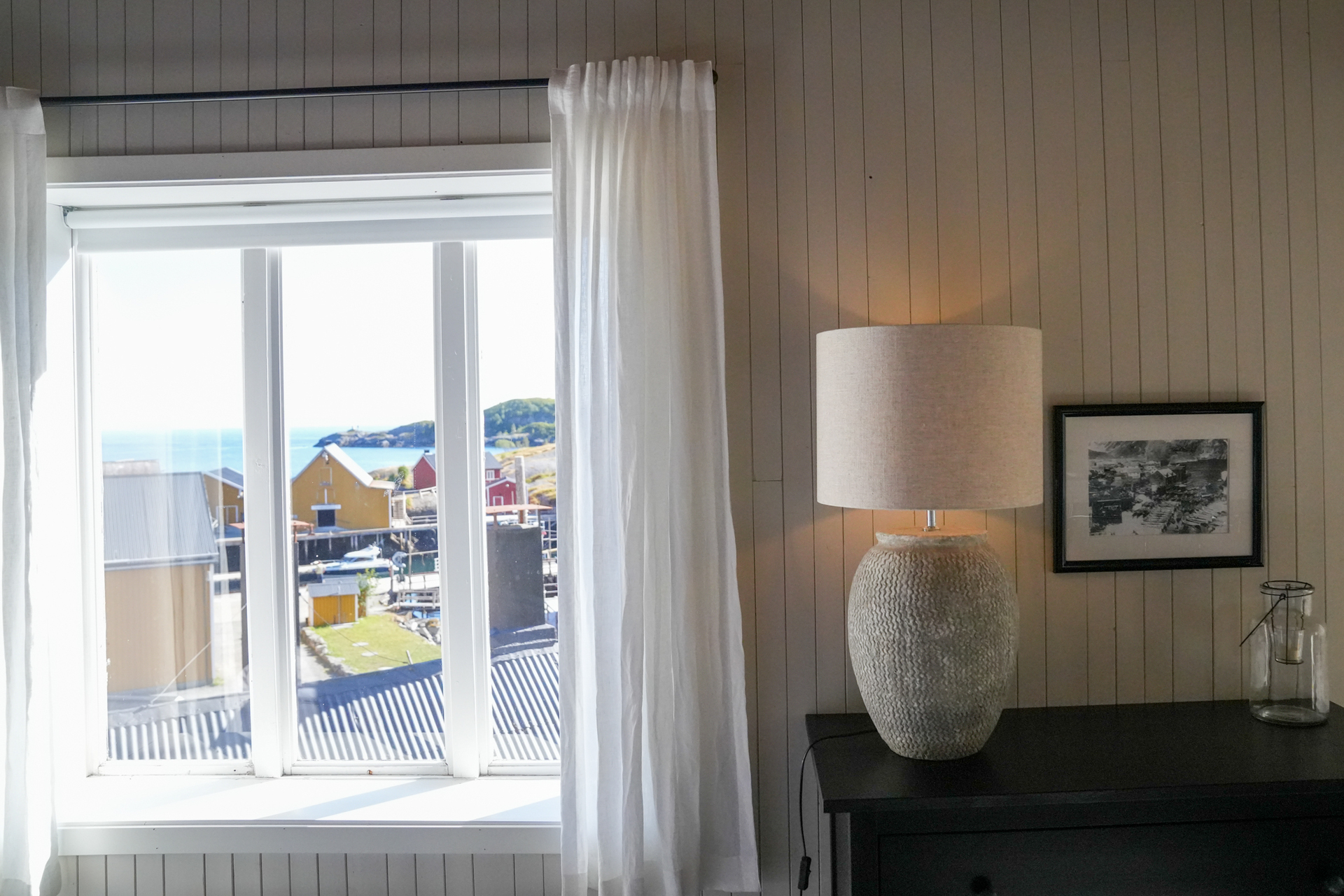
Today, the Upper Icehouse invites you to experience that history from within. Stay in a space where every timber tells a story, and where the rhythm of the seasons once shaped daily life in Arctic Norway.
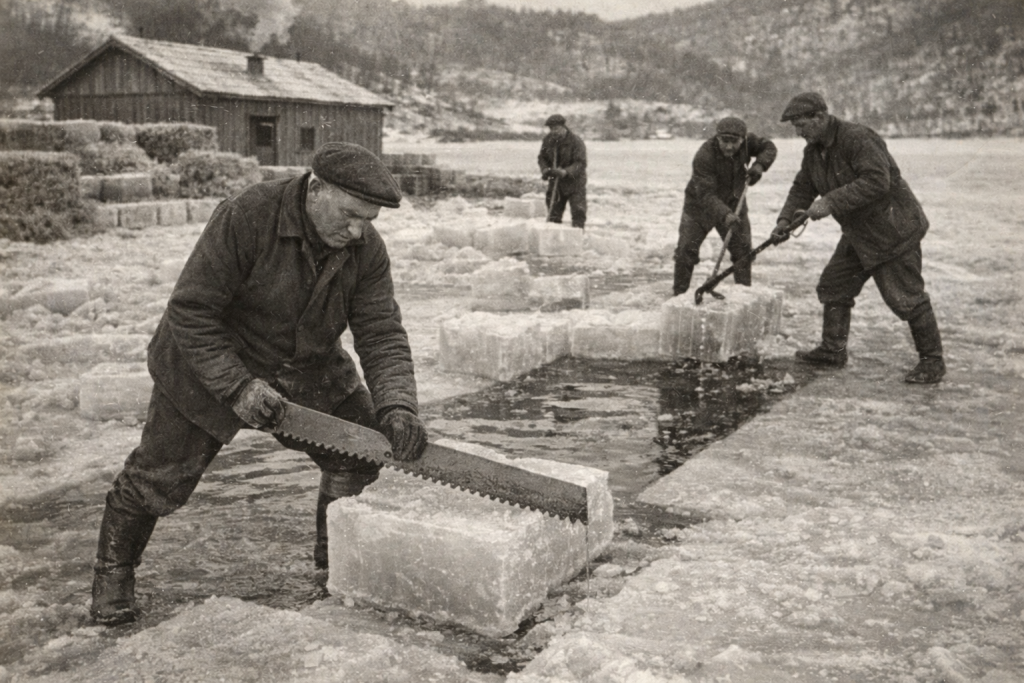
Each January and February, when the mountain lakes above Nusfjord froze thick and solid, men made the steep journey upward to harvest winter itself. The ice was carefully measured and marked into precise grids before long, specialised saws cut deep, straight lines through the frozen surface. Heavy blocks were freed with axes and lifted using iron hooks — demanding work that required both skill and strength.
Several of these original ice saws can still be seen in the village smithy today, quiet reminders of the craftsmanship behind this winter ritual.
Once released, the great rectangular blocks were transported down the mountainside by horse and sled, gliding over packed snow toward the harbour below. The journey was challenging, but winter made what would otherwise be impossible entirely achievable.
Inside the icehouse, the blocks were stacked tightly and insulated with thick layers of sawdust from Nusfjord’s own sawmill. The sawdust trapped air, slowed melting, and absorbed moisture, allowing the ice to last well into late summer.
This stored ice was vital to daily life and to the fishing economy. Freshly caught fish was layered with ice before export, enabling it to travel farther and arrive in better condition. Without the winter harvest, the village could not have sustained its trade.
The Upper Icehouse is therefore more than a storage building. It stands as a testament to foresight and resilience — to a community that worked with nature, harvesting winter to secure the prosperity of summer.
To provide the best experiences, we and our partners use technologies like cookies to store and/or access device information. Consenting to these technologies will allow us and our partners to process personal data such as browsing behavior or unique IDs on this site and show (non-) personalized ads. Not consenting or withdrawing consent, may adversely affect certain features and functions.
Click below to consent to the above or make granular choices. Your choices will be applied to this site only. You can change your settings at any time, including withdrawing your consent, by using the toggles on the Cookie Policy, or by clicking on the manage consent button at the bottom of the screen.
Join us for an exclusive culinary adventure with Michelin restaurant owner Niklas Ekstedt, in the stunning setting of Nusfjord.
From his Michelin-starred restaurant Ekstedt in Stockholm to his international television appearances, cookbooks, and culinary innovations, Ekstedt has become a pioneer of modern open-flame gastronomy – where tradition, creativity, and sustainability meet.